Field Crops

Quantum biological formulations enhance soil life, nutrient uptake, and plant
performance across a range of vegetable crops in New Zealand.

Quantum Growth® Increases Cotton Yield
with Less Fertiliser

Location:

Cotton Farm — Buttonwillow, California

Objective:

The goals of the project were well defined:
Improve plant production volume including fiber, seed, and total weight
Increase production quality as determined by quality of fiber and seed
Improve plant health as determined by fiber and seed
Reduce nitrogen fertiliser use vs. standard recommended protocol

Background:

Like most agricultural operations, this cotton farmer is continually looking for cost effective solutions to optimising yields in all types of weather and disease pressure conditions. Based on results Quantum had demonstrated and achieved on other crops, the Bottonwillow farm was anxious to determine potential benefits on cotton production.

Results Achieved:

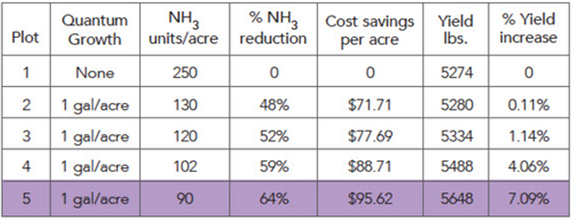
All plots with added Quantum Growth increased the cotton yield per acre.

  • Plots with reduced nitrogen fertiliser application performed better as the amount of fertiliser was reduced.
  • With 64% reduction in ammonia fertiliser applied, a yield increase of over 7% or 160 lbs of cotton per acre was achieved.
  • Based on this study, further reduction in ammonia could produce additional yield increase for an even greater return on investment (ROI).
  • Less fertiliser also mitigates salt build-up and negative effects of synthetic fertilisers on soil biology

Seedling Needle Turgor & Root Mass Increase in just 30
Days with Quantum Growth

Location:

International Forest Company, Moultrie, GA

Objective:

Ecological Laboratories, Inc. provided a treatment plan for a test plot of one acre for approximately 900,000 container seedlings. Initial application of 1 gallon Quantum-Light and 1 gallon Quantum-VSC was through overhead irrigation just after seeds were put in flats. A second application of the same dosage was applied through the overhead irrigation system two weeks later. Control seedlings were grown with only the grower’s best practices.

Background:

IFCO wanted to test the benefits of using biological growth additives on Long Leaf Yellow Pine Seed.

Results Achieved:

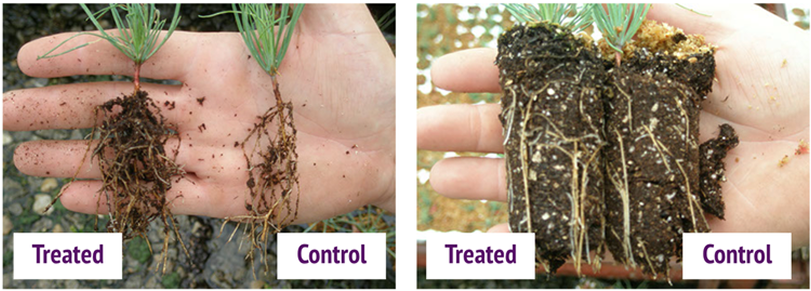
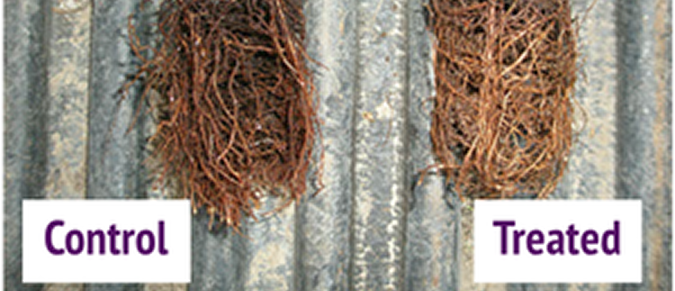
After 30 days, needle vigor and root mass increase was pronounced.
The treated tree plug showed a denser root mass and a more evenly spread root system throughout the plug. This shows the microorganisms’ ability to distribute water evenly in the soil, improving moisture absorption and retention. This is especially important as these trees grow in the forest with only natural rainfall or moisture. Use of Quantum Growth increases food and energy availability to the plant, supporting increased root growth and fruit production. This results in a healthier, heartier plant with decreased dependency on supplemental irrigation, fertilizer, and pesticides.

Figure 1

Seedlings treated with Quantum Growth are on the right in each picture. The visual evidence would indicate root mass increase on noculated trees is greater than 25%.

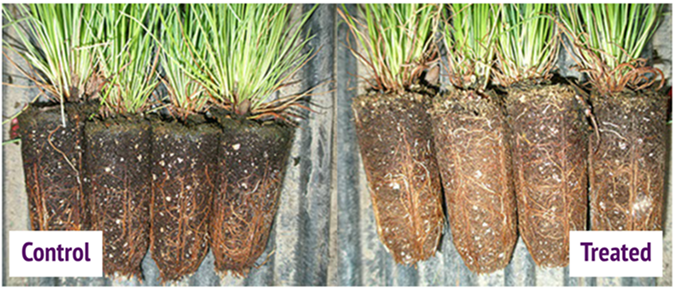
Figure 2

Above are samples from the trees of both the control and the Quantum Growth treated plots. Notice the evenly spread root mass on the treated plugs, while the roots on the control plugs are located near the bottom.

Figure 3

The tree on the right has been treated with Quantum
Growth. Root mass and root collar diameter of the
inoculated trees are improved.

Quantum Growth Increased Out-planting
Survival of Loblolly Pine Trees

In 2009 two groups of Loblolly Pine seedlings were out-planted in Jacksonville, Florida. One group had
been given Quantum Growth, while the control was grown with the grower’s best practices.

Figure 4

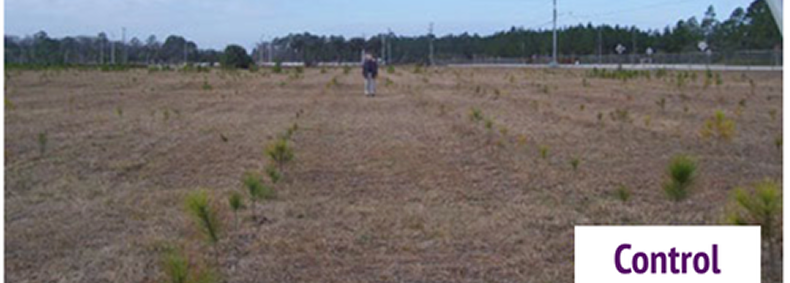
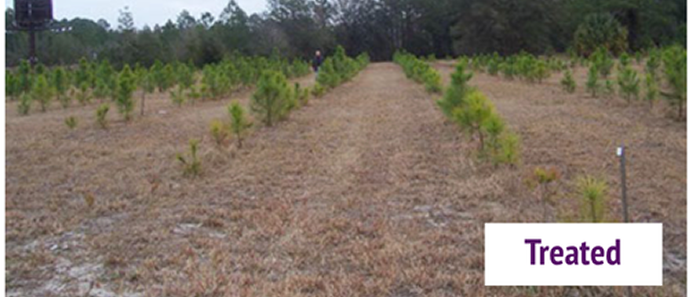
The pictures above show the seedlings at outplanting in 2009. The Quantum Growth treated seedlings were generally larger and healthier compared to the controls. Many of the pines in the control group did not survive. You can see the amount of growth in comparison to the man standing in the field

Figure 5

These pictures show the same group of pines in 2012. As you can see none of the control group has survived. The treated pine trees received no additional inputs. Quantum microbes stay with the trees and grow in proportion with root exudates from the tree.

Quantum Growth® Increases Peanut Yield By 45%

Objective:

Demonstrate the beneficial effects of Quantum-Peanod and Quantum Peanod IF on peanut plants.

Location:

Sunbelt Expo Research Farm, Moultrie, GA

Results Achieved:

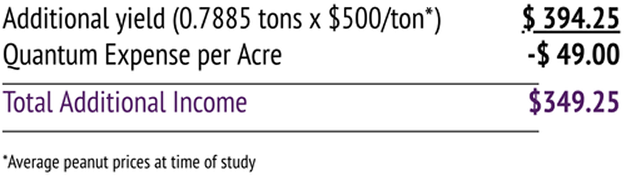
Use of Quantum Growth had a significant impact on the peanut plants. The plants showed an increase in yield of 45%, resulting in an increase in profit of 69%.

The Experiment:

The trial had 2 different 20 ft² test plots. The control plot used only the grower’s best practices. The treated plot used Quantum-Peanod IF (in furrow) at planting. Every two weeks after planting, the treated plot received foliar applications of Quantum-Peanod.

One hectare of pineapple plants were treated with Quantum-Light. There were 70,000 plants/Ha. The Quantum- Light was applied at a rate of 1 gal/Ha in 2,500 L of water. The first application was at transplant. The second application was 22 days after transplant. The final application was at flowering.

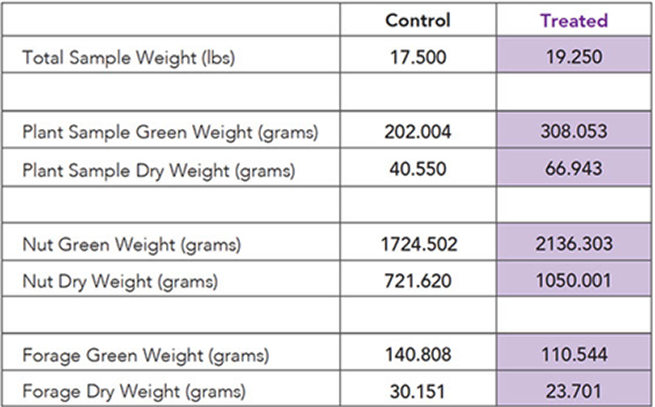
Data

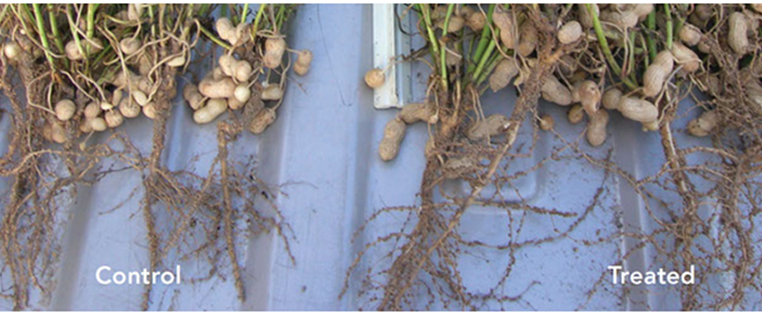
Root Comparison

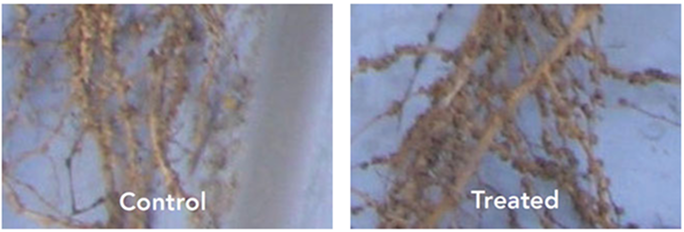
The size of the peanuts in the treated sample is greater in size then the control sample. Also note not only the greater root mass but also denser nodulation on the treated sample.

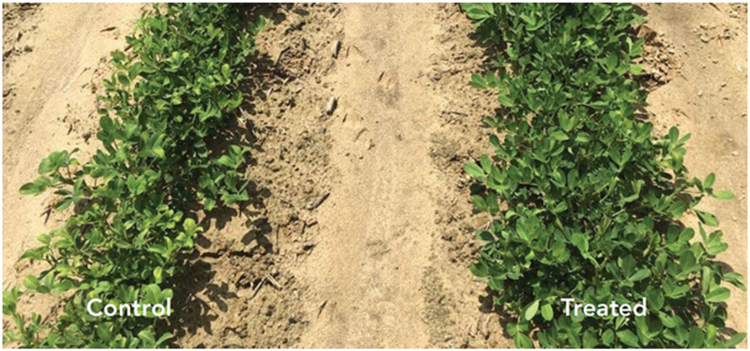
Plant Comparison

The treated peanut plant is visibly larger in size compared to the control plant.

Extrapolated per acre yields

1 gram = 0.00220462262
lbs.
1 acre = 43,560 ft²
1 acre = 2,178 (20 ft²) test plots

Control plot per acre yield

1 gram = 0.00220462262
lbs.
1 acre = 43,560 ft²
1 acre = 2,178 (20 ft²) test plots

Treated plot per acre yield

1050.001 grams per 20 ft² test plot

2,286,902.178 grams per acre
5,042 pounds per acre

45.5% increase in yield. Assuming no other costs were incurred, the net benefit is an additional 69% in profit.

Root Nodulation

This shows the visible difference in nodule density between the control and treated samples.